Roof Cleaning in Johnson City: Prevent Black Streak Damage to Your Shingles
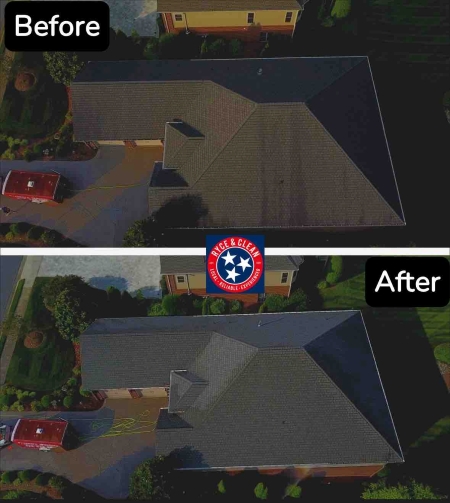
Those dark, streaky lines on your roof aren’t just dirt. In our warm, humid seasons, roofs across Johnson City often develop black streaks caused by algae. Left alone, they make shingles hotter, trap moisture, and chip away at curb appeal. If you want a clean roof without risking damage, the safest answer is soft washing done by trained pros. Many homeowners start by booking professional roof cleaning in Johnson City to stop streaks from spreading and protect their investment.
At Ryce & Clean, we focus on gentle methods that keep your shingles intact and your landscaping safe. This guide explains what’s behind those stains, why a soft wash is different from pressure, and the best timing for roofs around neighborhoods like Tree Streets, Boones Creek, and areas near ETSU.
What Causes Black Streaks on Shingles in Johnson City
The main culprit is a blue-green algae called Gloeocapsa magma. It feeds on the limestone filler in many asphalt shingles and shows up as black streaks because it produces a dark protective coating. Johnson City’s mix of shade trees, regular rainfall, and humid summers creates an ideal environment for it to grow.
North-facing slopes and shaded sections often streak first because they stay damp longer. You might also notice cleaner trails beneath copper or zinc flashing, since trace metals can help slow algae in those paths. Moss and lichen sometimes follow, especially on older roofs or where leaves collect, holding extra moisture against the surface.
Why Soft Wash Roof Cleaning Protects Your Shingles
Soft washing uses low pressure combined with roof-safe solutions that break down organic growth and rinse it away. The goal is to remove algae, moss, and lichen while keeping the gritty protective granules intact. That’s different from blasting water at high force, which can strip granules and shorten a roof’s service life.
Never let anyone use high pressure on asphalt shingles. High pressure can void protections, push water under shingles, and scar the surface. A proper soft wash is gentle, targeted, and backed by a clear rinse and plant protection plan.
- Low pressure helps preserve shingle granules and edges.
- Roof-specific solution targets living growth instead of smearing stains.
- Even results across the slope improve color uniformity and curb appeal.
Hidden Costs of Waiting: Energy Use, Curb Appeal, and Moisture Risks
Black streaks absorb more sunlight, which can raise roof surface temperatures. That added heat may make your attic warmer on summer afternoons, forcing your AC to work harder. Streaks also hold moisture after every shower or morning dew, which encourages moss and lichen to root into the shingle surface over time.
There’s a visual cost too. Buyers and neighbors notice dirty roofs first. A clean, even-toned roof lifts the whole exterior, from the porch view in the Tree Streets to hilltop homes overlooking Buffalo Mountain. Cleaning early is almost always simpler than waiting for the growth to thicken and harden.
How Often Should Roof Cleaning be Scheduled
Most local homes do well with a soft wash every two to four years. Shade, roof pitch, and the amount of nearby tree cover can shorten or extend that window. Heavily wooded lots in Boones Creek may see streaks return sooner than sunnier, breezier streets.
Timing helps. Many homeowners prefer late spring, after the worst of the pollen, or early fall, before leaves start dropping. Service frequency varies by home size, material, and season, so an on-site look is the best way to set a smart schedule. Schedule roof cleaning before spring pollen blankets the city. It’s easier to keep a clean roof clean than to reverse years of buildup.
What To Expect During a Professional Roof Cleaning Visit
First comes a safety-focused inspection. The crew looks at roof age, pitch, delicate areas, and nearby landscaping. Sensitive plants are pre-wet and covered as needed. Then, a roof-safe solution is applied with low pressure so it can dwell and lift the stains. A gentle rinse follows, leaving the roof clean without scarring or lifting shingles.
Good teams work methodically, watch the gutters for proper flow, and tidy the site before they leave. You’ll see immediate improvement, and some deep-set biology may continue to lighten over several days as the growth detaches and washes away with rain.
Signs You Need Roof Cleaning Soon
- Black streaks forming in vertical trails, often below roof vents or shaded areas
- Green fuzz or lichen dots starting near ridge lines and edges
- Grit in downspouts or at the base of downspouts from shingle granules
- Gutters are collecting dark sludge after storms
- Notable color difference between sunny and shaded slopes
If you’re seeing any of these, it’s time to act before the growth spreads across more of the roof.
Soft Wash Roof Cleaning vs. Pressure: What’s the Difference
Pressure washing is about force. Soft washing is about chemistry with control. Your shingles need the second option. Roof-safe mixes break down the organic film so very little pressure is required to rinse it away.
- Soft wash targets algae at the source, so results last longer.
- Low pressure protects the shingle surface, edges, and seal strip.
- The application is tailored to roof age, shade, and material.
If you want more before-and-after education on safe methods, browse our pressure washing articles for helpful guidance and local project insights.
Local Factors That Speed Up Roof Staining
Johnson City weather gives algae a running start. Warm days, cool nights, and frequent humidity create dew that sits on shaded slopes at sunrise. Homes backed by heavy tree canopies stay wet longer, especially after late-day showers. North and east faces often show streaks first, while areas below metal trim can stay lighter due to trace runoff.
Ventilation plays a part, too. Attics that stay hotter for longer can encourage condensation swings, adding to moisture cycles at the roof deck. Keeping soffit and ridge vents clear supports the whole system, but stain prevention still comes back to cleaning the surface with the right method.
Plant and Property Protection Matters
Professional crews protect your landscaping by wetting, covering, and rinsing plants before, during, and after treatment. Downspouts may be directed to safe drainage areas. Windows, metal accents, and decks get a quick rinse so residue doesn’t linger. That care is part of why hiring a local team that understands our clay soils and common shrubs makes a difference.
Look for clear communication, photos, and a written process. It shows the team respects your yard as much as your roof.
Why Local Experience Wins in Johnson City
Roofs here don’t age like roofs in dry climates. Algae cycles, leaf fall, and hillside winds all shape how stains spread from year to year. A crew that works daily in town knows these patterns and adjusts dwell time, coverage, and rinse technique to fit. They also know when to reschedule around incoming rain so the treatment can do its job.
If you want a broader look at exterior care beyond the roof, our main team handles pressure washing in Johnson City, so you can keep siding, concrete, and gutters in step with a freshly cleaned roof.
Ready To Restore Your Roof the Safe Way
Black streaks are a living growth, not just a stain. Removing them safely protects the shingle surface, helps the roof shed heat and water, and refreshes your home’s first impression. When you’re ready, book a local, low-pressure approach with a trusted team that treats your property like their own. Call Ryce & Clean at 423-830-0102 and get a safe, gentle soft wash scheduled today.
Ready for a Cleaner Home? Reach Out To Our Pressure Washing Company in Johnson City, TN Today!